Museum Guide News
Museum Guide News
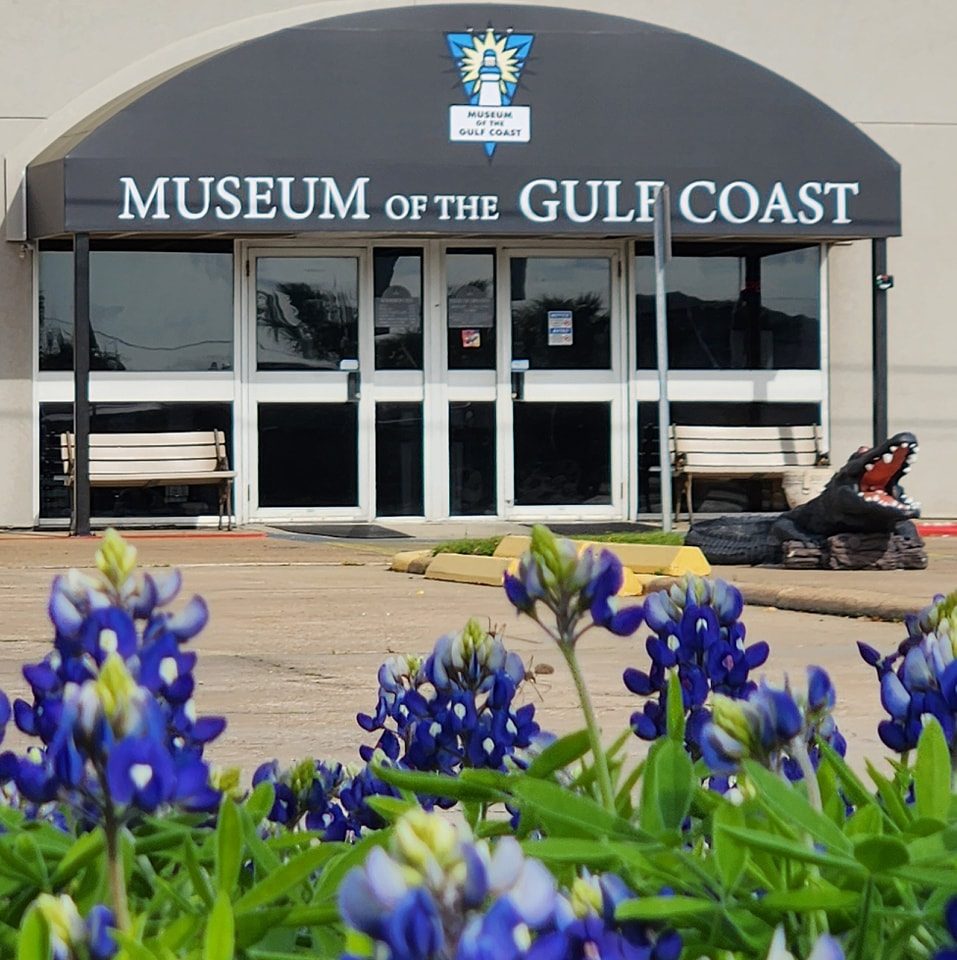
In early 1959, the Gates Memorial Library in Port Arthur, TX acquired important historical items, including the first American flag to fly over Port Arthur.
At that time the need for a Museum was evident to many people. In 1964, the State of Texas chartered the Port Arthur Museum. The Museum soon outgrew its location and was moved to the Merchant’s National Bank. In 1980, it was relocated again to a wing of the Gates Memorial Library, but that space quickly filled as well.
So, in 1987, the Board of Directors adopted a plan to broaden the scope of the Museum to encompass the entire Gulf Coast region. By 1990, the Society had acquired the present Museum building. Built in 1963, it had formerly served as the First National Bank. Permanent Exhibits occupy the first two floors, The Museum houses its collections in the bank’s formidable vaults. Between 1991 and 1994, the bank was renovated and Southwest Museum Services began installing exhibits. The Museum of the Gulf Coast opened its doors on July 2, 1994.
Today - with an increasing emphasis on educational outreach, the Museum hosts thousands of children for school tours, programs, and a summer camp focusing on environmental stewardship. The Museum also offers “Family Fun Days." In addition, the Museum serves as a resource for archival documents and photographs for academic researchers as well as local, national, and international media (link to collections).
The Scope of Exhibits cover 39,000 square feet, containing many exhibits which capture the essence of life along the Upper Gulf Coast. Visitors marvel at the 125-foot mural depicting the area's history from the prehistoric era to the discovery of oil at Spindletop.
The Hall of Fame galleries highlight local musicians, athletes, and notable people who have achieved national or international recognition such as Janis Joplin, the Big Bopper, Jimmy Johnson, Karen Silkwood, actress Evelyn Keyes, and artist Robert Rauschenberg. The museum also includes a wide variety of temporary exhibitions in the Dunn Gallery. https://www.museumofthegulfcoast.org/halls-of-fame
To learn about the Museum of the Gulf Coast and the coast’s rich history visit us soon and check us out online: https://www.museumofthegulfcoast.org/
Address: 700 Procter St., Port Arthur, TX 77640 (Parking & Entrance in back)

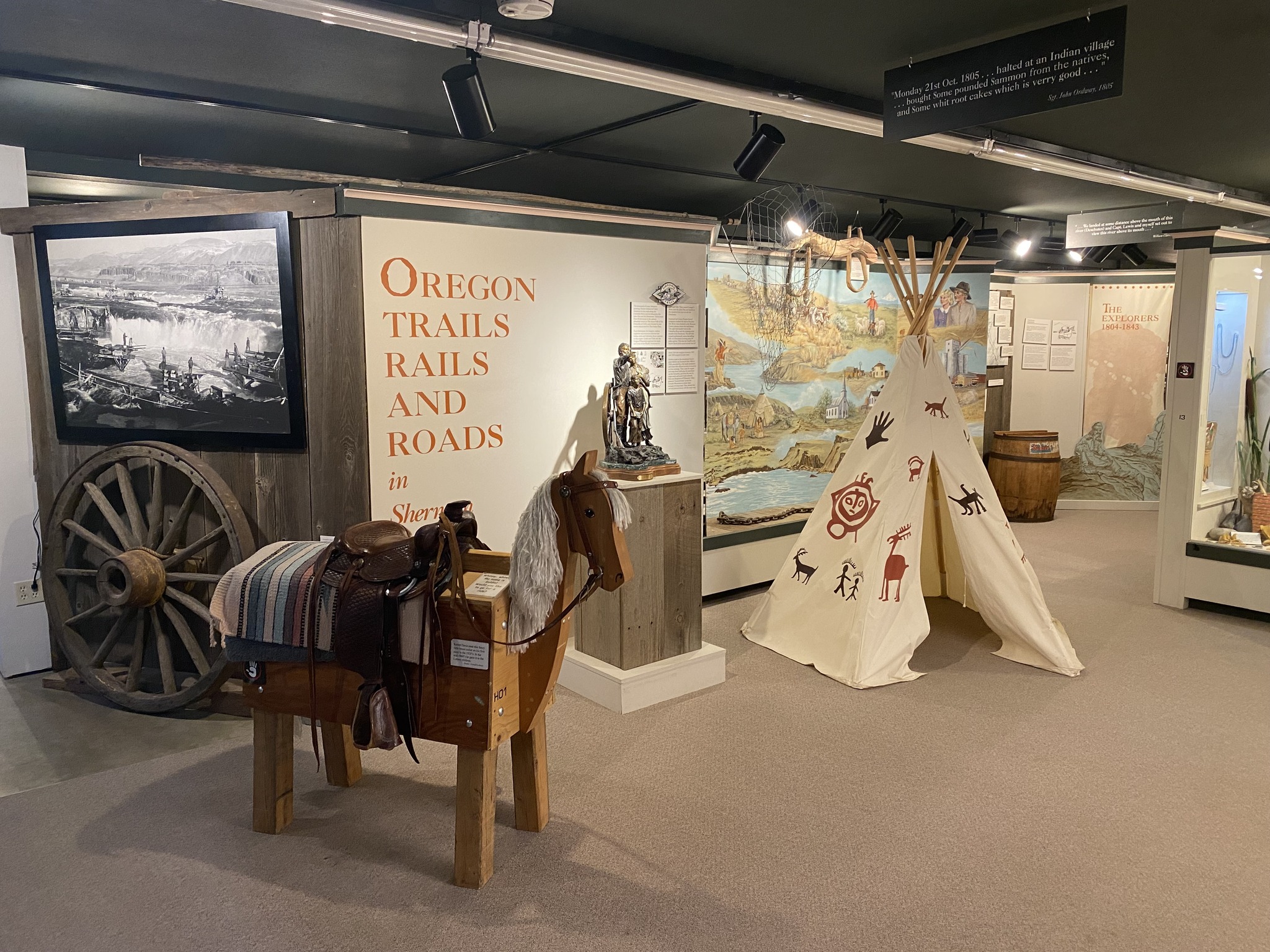
The Sherman County Historical Museum in Moro, OR is a national award-winning museum presenting Sherman County’s history and all about its community.
Sherman County Historical Society (SCHS) was formed on July 4, 1945, with a picnic held at the park in Moro. 14 people gathered that day to organize a historical society. From the very beginning, it was the dream of the society to someday have a museum in Sherman County. https://www.shermanmuseum.org/full-sherman-history
Our museum tells stories of Rural Living when the county was young. In the museum we honor Military Men and Women in a special section dedicated to their service. There are three curated interpretive exhibits: Oregon Trails, Rails and Roads in Sherman County, Wheat through the Ages, and Cultivation, Conservation, & Clothespins.
The historic Sherman County Journal: Paper, Ink & Presses is housed in the museum, which is the full layout of printing presses and equipment that was used to print our local newspaper. You will be familiarized with Renewable Energy in Sherman County, a growing industry. The museum also celebrates locals who have given so much of themselves for and the community; sheriffs, local donors, founding benefactors, etc.
When visiting the Great Northwest or in Oregon in particular come visit the Museum and learn all about the rich history of Sherman County and it’s contributions to our country! Visit us online to learn more: https://www.shermanmuseum.org/
We are located at 200 Dewey St., Moro, OR 97039. Our hours are Tuesday - Saturday 10 am to 5 pm, May - October. Admission is $15 for Families of 3+, $10 for adults, and $5 for Students (6-18) Museum Members and children under 6 are Free!
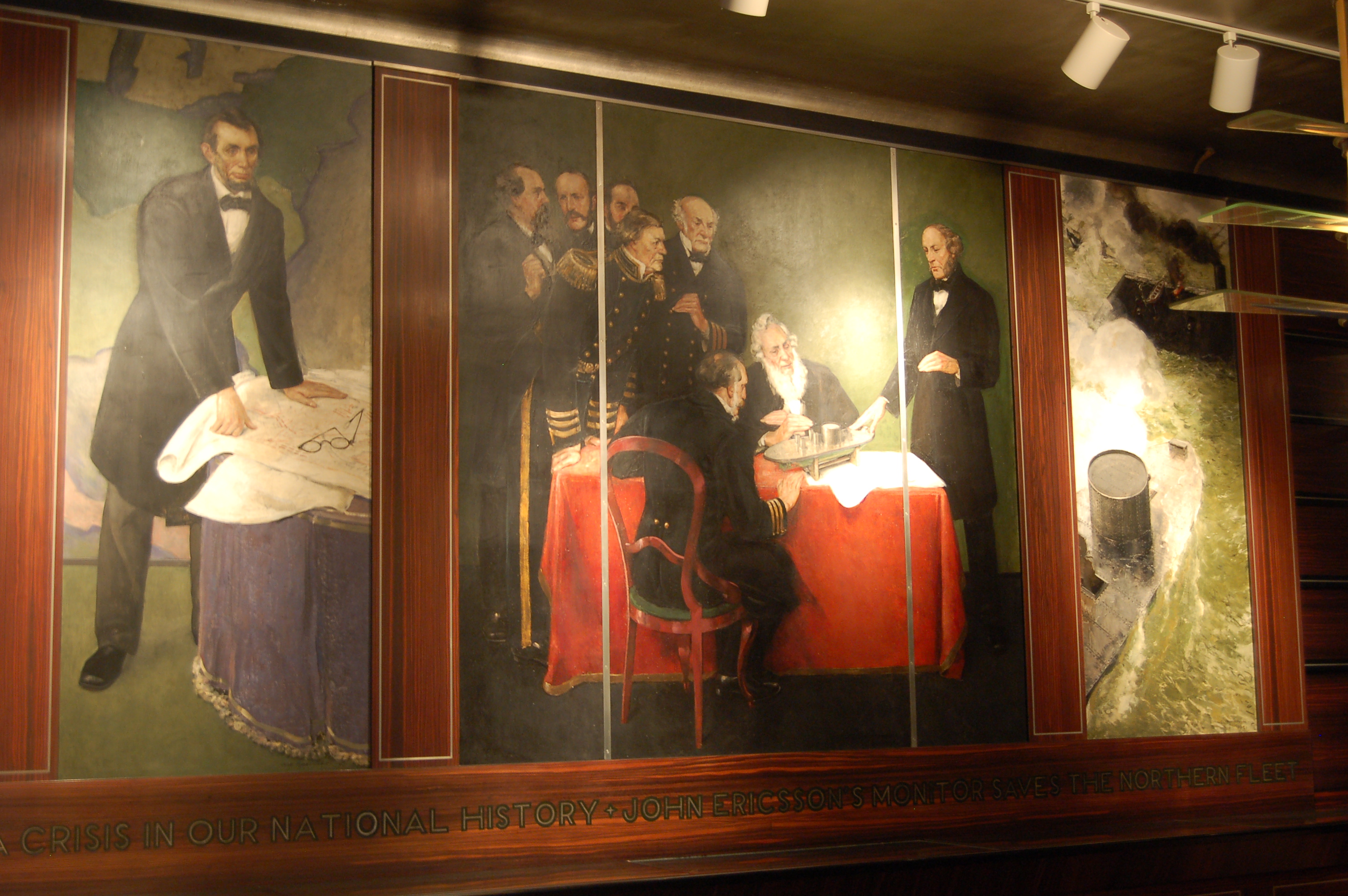
Perhaps the most famous Swede in American history, engineer John Ericsson will be forever tied to the Battle of Hampton Roads and the victory of the USS Monitor over the USS Merrimack (CSS Virginia).
John Ericsson was born July 31, 1803 in Långban, Värmland, Sweden. He had an early aptitude for mechanics and eventually moved to England where he experimented with designs for his most famous invention, the screw propeller.
When naval experts in Britain did not have faith in the propeller’s design, Ericsson took his design to the United States where the USS Princeton became the first US naval vessel driven by a screw propeller.
At the outset of the Civil War, Ericsson proposed a low-profile metal warship design to the US Navy’s Ironclad Board. Completed in February 1862, the newly commissioned USS Monitor arrived in Hampton Roads on the night of March 8. It battled the ironclad CSS Virginia the next day and held its opponent at bay. The American public subsequently hailed Ericsson and his ship as national heroes.
Following the success of the Monitor, Ericsson designed the USS Passaic. Equipped with larger guns, an upgraded pilot house, and built on a more seaworthy platform, the vessel paved the way for six sister vessels. The Passaic-class was among Ericsson’s most successful designs.
In his later years, Ericsson worked on the development of solar engines. Though these were not commercially practical, Ericsson is still heralded as an ahead-of-his-time proponent of solar power.
On March 8, 1889, John Ericsson died in his home in New York City. In August 1890, his remains were returned to Sweden in a US naval vessel for honorable burial in his homeland.
The John Ericsson Collection is on view in the John Ericsson Gallery of the American Swedish Historical Museum in Philadelphia.
Image caption: John Ericsson presents his design for the USS Monitor to the US Navy’s Ironclad Board. Mural, A Crisis in our National History, John Ericsson Saves the Northern Fleet painted by Olle Hjortzberg (1872-1959), American Swedish Historical Museum.
We welcome you to tour our museum and learn more about John Ericsson! https://www.americanswedish.org/

Where can you touch what soars through the sky and see what zooms over land? The Estrella Warbirds Museum and Woodland Auto Display! Learn about rare military aircraft and vehicles, plus restored automobiles ranging from American and European classics to racetrack winners.
Dedicated to restoring and preserving military aircraft, vehicles and memorabilia, the museum was established 30 years ago at the Paso Robles Municipal Airport. We now encompass 20 acres and 14 buildings with exhibit halls, workshops, library, gift shop, and conference facilities. Experience history firsthand!
Aircraft represent the Cold War to today, including Betsy's Biscuit Bomber, the WWII-vintage C-47 Dakota transport aircraft owned and still flown by the Gooney Bird Group. Book your appointment to fly the Hornet simulator on Fridays and Sundays! Ground vehicles include the Red Ball Express display: restored logistics vehicles that supported General Patton’s 1944 march to the Battle of the Bulge.
Freedom Hall offers artifacts from World War I to today: actual cockpit instrument displays from U.S. and Japanese aircraft, plus a Norden bombsight, which improved accuracy of U.S. bombers in WWII. You might even recognize your grandparent's flight medals or uniform!
The Woodland Auto Display features an 1886 Benz Motorwagen and 2005 Ford GT 550, and everything in between, all in showroom condition. Does racing excite you? Enjoy this amazing collection of race cars including midget, sprint, Silver Crown, modified, NASCAR, and Indy racers. The Woodland Auto Display has been called the best auto museum on the Central Coast! Your admission fee helps this 501(c)(3) honor those who flew, drove, and worked these vehicles.
Estrella Warbirds Museum and Woodland Auto Display, 4251 Dry Creek Road, Paso Robles; open Thursday-Sunday, 10 am to 4 pm.
Visit https://www.ewarbirds.org/index.html or call (805) 238-9317 for more information.

USS Midway Museum: An American Treasure in San Diego, CA
Get ready for a one-of-a-kind adventure on America’s Living Symbol of Freedom. The USS Midway Museum on San Diego Bay, is the world’s most popular and visited naval ship museum. Dedicated to providing engaging and educational experiences, a visit to Midway not only lets guests enjoy more than 80 years of naval aviation history, but discover what it’s like to be a pilot.
Together, families will experience firsthand the legacy of this amazing aircraft carrier museum through Midway’s extensive collection of restored military aircraft. The museum’s flight simulators and virtual reality experience put visitors in the pilot seat, while guests will be captivated by the ship’s award-winning audio tour. Midway’s world-famous volunteers will bring the flight deck to life with gripping stories of launching and landing naval aircraft, as well as tales of high-seas adventure.
The Battle of Midway Theater will transport guests back to 1942 through the eyes and voices of American heroes to relive how the Navy turned the tide to victory in the Pacific during World War II. Kids can also earn their Junior Pilot Wings and become naval aviators through fun onboard activities.
The museum is rich with artifacts that tell the story of the U.S. Navy, and naval aviation in particular. Displays and exhibits have been developed with these artifacts to provide guests with a better understanding of the role Midway played during its 47-year career in not only protecting American democracy and freedom around the world, but also how the ship supported important humanitarian operations overseas.
Midway is a treasured San Diego icon, and visitors to the museum will experience the significant contributions made to the nation by America’s naval service. Midway is a family-fun adventure. We looking forward to welcoming you! For more informtion: https://www.midway.org/

Here in Lubbock, we have two amazing museums that showcase aspects of the City’s unique history: the Buddy Holly Center and the Silent Wings Museum.
The Buddy Holly Center preserves and promotes the legacy of Buddy Holly and the music of West Texas, as well as provides exhibitions on contemporary visual arts and music for the purpose of educating and entertaining the public. Exhibitions, tours, concerts, classes and gallery talks are designed to cultivate an atmosphere where art and music are celebrated. The Buddy Holly Gallery features a permanent exhibit on the life and music of the Lubbock native and West Texas icon. Artifacts include Buddy’s Fender Stratocaster guitar and his famed horn-rimmed glasses, along with items from his youth and career.
The Silent Wings Museum is located six miles north of the Buddy Holly Center and is adjacent to the Preston Smith International Airport. It is the only museum in the world dedicated solely to preserving the history of the WWII military glider program. The museum is home to one of the few accurately and completely restored CG-4A gliders left in the world. The exhibits focus on the airborne operations in which gliders were used, the training of the glider pilots and the technical history of the gliders themselves.
The Buddy Holly Center and the Silent Wings Museum are open Tuesdays through Saturdays from 10am to 5pm, and on Sundays from 1pm to 5pm. Visitors are welcome to check out our websites for the most up-to-date information on admission prices, special events and holiday hours.
https://ci.lubbock.tx.us/departments/buddy-holly-center 806-775-3560 https://ci.lubbock.tx.us/departments/silent-wings-museum 806-775-3049
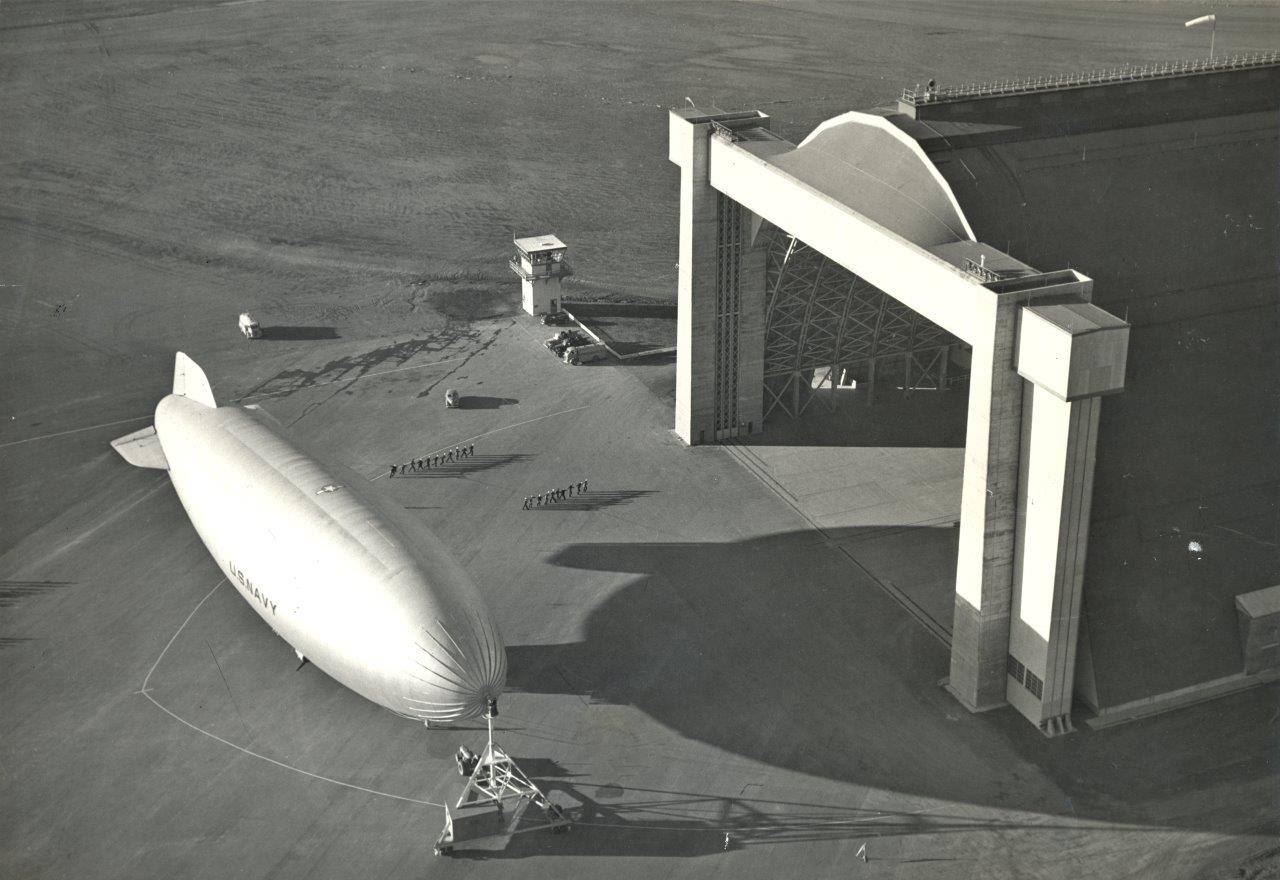
The Tillamook Air Museum: History Housing History
Hangar B, the Tillamook Air Museum’s home, was built as part of an ambitious plan to protect the West Coast during WWII. Naval Air Station Tillamook constructed two massive wooden hangars, each using enough lumber to build 279 three-bedroom homes! Construction of Hangar B began in November 1942 and was completed in just nine months.
In 1989, Hangar B was placed on the National Register of Historic Places, securing its legacy as a national treasure. Five years later, it became home to the Tillamook Air Museum, dedicated to preserving aviation and wartime history.
Our collection features legendary aircraft with remarkable service records. The F-14 Tomcat, famously featured in Top Gun, represents the cutting edge of naval aviation. Our F-4 Phantom cockpit, used in the film Sully, offers a glimpse into Cold War airpower. The battle-proven A-7 Corsair II flew 39 missions in the Gulf War, while our B-52 cockpit took part in 14 Gulf War missions and countless operations during Vietnam. And there’s more to discover!
Beyond the aircraft, our Exhibit Hall showcases rare wartime and aviation artifacts, including pieces from Nazi Germany, Imperial Japan, relics dating back to WWI, and items from the September 11th attacks, an important chapter in modern history.
This museum offers a truly unique experience that’s both educational and entertaining for all ages. Whether you’re a history enthusiast or looking for a fun family outing, the Tillamook Air Museum brings history to life in a way that’s both exciting and entertaining. Perfect for kids, parents, and history buffs alike, it’s a one-of-a-kind experience you won’t want to miss! https://www.tillamookair.com/
Unfortunately, presently we are closed due to exstensive storm damage. We hope to be re-open again sometime in late 2027! We'll see you then!
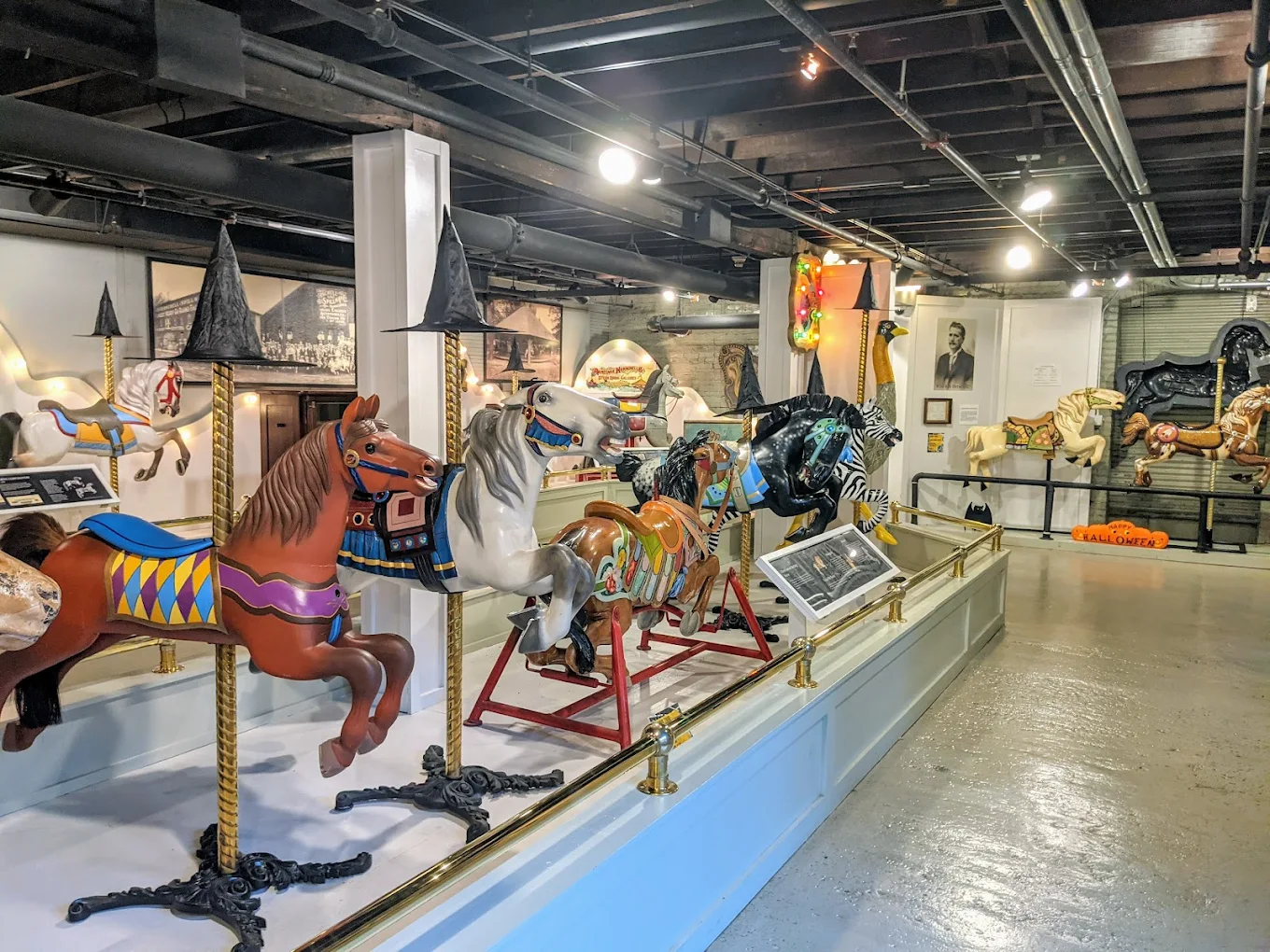
The Herschell Carrousel Factory Museum, in North Tonawanda, NY is one of a kind!
Operated by the Carousel Society of the Niagara Frontier, is a premier national historic site and community resource for family recreation. Through educational, cultural, and recreational programming, visitors will experience the places, people, stories, and artifacts associated with the production of carousels, band organs, and amusement devices.
The Allan Herschell Company, founded in North Tonawanda, New York, was the fourth in a series of companies in the community which manufactured carousels and other amusement park rides. It was Allan Herschell who first came up with the idea of a carrousel museum!
It’s been over 46 years since the concept of a carrousel museum in North Tonawanda was initiated. 10 people sat around a table in the Carnegie Art Center to discuss the possibility of bringing a carrousel back to North Tonawanda, a city in which more hand carved carrousels were produced than the total of all other US cities that created them.
One of the special exhibits, is the carving floor of the Allan Herschell Company. It's where carousel animals originally began to take shape. Carvers worked from large line drawings of animals. First, the sketch was traced onto basswood or poplar. After the carvers finished the details, the parts were then glued together and smoothed before the animal was moved to the paint shop in the next room. In later years, the Allan Herschell Company began to make animals using cast aluminum.
Another wonderful exhibit is the “The Jeanette E. Jones Children's Gallery”. This room was originally the machine shop for the Allan Herschell Company where workers produced the metal parts for carousels and other amusement rides. It is now our children’s space in the museum. Today, the Children’s Gallery holds our Kiddie Carrousel and many interactive activities for families to enjoy when visiting the museum. The space is a festive place to hold a birthday party or baby shower. Check our rentals page for more information!
The Museum is perfect for all ages and bring the carrousel beginning and history back to life! Come visit this summer – for more information see us online: https://www.carrouselmuseum.org/ 716-693-1885

The Museum at Warm Springs, in Warm Springs OR. is many things, not the least of which is a striking piece of architecture, a 25,000 square-foot structure that packs an emotional wallop all too seldom felt in contemporary public buildings!
But most of all, perhaps, The Museum exists as an answer to a question that has troubled Native Americans in general, and The Confederated Tribes of Warm Springs in particular for most of the past century. Can this nation’s Indigenous peoples take any meaningful steps on their own initiative, under their own control to halt the erosion of their traditions, the dispersal of their sacred artifacts, the loss of their very identity as a culture?
Chief Delvis Heath of the Warm Springs Tribe is a quiet man with a deeply lined face. “Way back in the 1960s,” the Chief laments, “We could see that the old ways were disappearing, the old language was disappearing, and pretty soon none of our young people would know where they came from or who they were. That’s when we decided to build a museum.” This was truly, a dream come true!
The Museum at Warm Springs exists to preserve the culture, history and traditions of the three Tribes which comprise The Confederated Tribes of Warm Springs. The Museum was designed to provide a welcoming sight to the public as well as a safe conservatory for the traditional treasures of the Tribes.
The Museum contains the Permanent Exhibit, a changing exhibit gallery, an exquisite gift shop, public restrooms, a library/archive, education room with cooking facilities, a conference/board room, artifact collection space and an office, a maintenance room and an administrative area. Just outside to the west, a small amphitheater is designed to be used for outdoor performances, demonstrations, and other public events.
These galleries showcase tribal artifacts, but The Museum devotes as much to the cultural and historical record of The Confederated Tribes of Warm Springs Reservation as it does to their arts and crafts. “We wanted the museum to tell the story of our people,” explains Delbert Frank, Sr., President of The Museum’s Board of Directors in 1993 and an influential member of the Tribal Council. “We wanted it to tell the truth. To educate both the public and our own children. To tell them who we are.”
We look forward to welcoming you this year - https://museum.warmsprings-nsn.gov/

Crazy Horse Memorial and Military Veterans
Since the first blast on the mountain on June 3, 1948 there has been a relationship between the Crazy Horse Memorial and military veterans and especially Native American veterans. First you would have to look at the personal history of one of the founders of the Memorial, Korczak Ziolkowski, a noted sculptor who worked on Mt Rushmore in 1939 and won first place at the Worlds Fair in 1939 for his sculpture of Paderewski. He volunteered at the age of 34 for the Army in 1943 and three days after D-Day landed on Omaha Beach Normandy where he was wounded. The military experience and sacrifices of so many had a profound effect on Korczak and to this day admission to the Memorial is waived for active duty military, Native Americans, Boy Scouts in uniform and local county residents.
In 2000 Ruth Ziolkowski approved a new program to allow veterans of the local VA hospital in Hot Springs, SD to work at the Crazy Horse Memorial and Korczak’s Heritage through a compensatory work therapy program. It is a beneficial program for both the veterans and the Crazy Horse Memorial and Korczak’s Heritage and numerous veterans have participated in the program to present date.
Another program that started in the local Custer, SD area occurred in 2011 with the new non-profit Operation Black Hills Cabin to say thank you to any 30% minimum Combat Injured veteran from any post-9/11 military operation and his immediate family for a one-week respite in a cabin in Custer free of charge. Crazy Horse Memorial and Korczak’s Heritage have offered waived admission, a meal at the Laughing Water Restaurant, and a bus to base tour to the average 17 families each summer. Since 2011 178 families from 37 states have been guests of the Operation Black Hills Cabin. Since 2015 Terry DeRouchey, also a military veteran, has collected van ride tickets donated by Storytellers each year to be able to take the veteran and his immediate family for a trip of a lifetime to the top of the mountain carving. Thanks to the generosity of Storytellers he has been able to take all combat injured veterans and their families as part of the Operation Black Hills Cabin to the top.
Thanks to efforts of Visitor Services staff, groups from Wounded Warriors and Sheepdog Impact organizations had the opportunity to take a trip of a lifetime to the top of the mountain carving the last three years .
The tribute to the accomplishments and sacrifices of Native American veterans came about in 2019 when a different Native American veteran was honored each week at Crazy Horse Memorial and where all veterans are recognized. American Indians per capita have had the highest percentage of their people in military service exceeding every American ethnic group. Make sure to visit us online too: https://crazyhorsememorial.org/