Museum Guide News
Museum Guide News

The Dakota County Historical Society (DCHS) in South St. Paul, MN will guide you as you explore the fascinating history of our communities.
Tours, exhibits, camps, and our many interactive programs cover all manner of topics including the Civil War, the Dakota People, Minnesota as the original “Silicon Valley” of the world, traditional agriculture, food processing, and market gardening, Mississippi, Minnesota, and Vermillion River histories, quack medicine, politics, and much more. There is truly something for everyone at DCHS!
We operate three sites for you to explore while you are here.
The LeDuc Historic Estate, is as Civil War-era Gothic Revival home! https://dakotahistory.org/leduc-historic-estate Join us for fascinating and fun events that illuminate the lives of Civil War Brevet Brigadier General William LeDuc, Mary Bronson LeDuc, and their four children. Built in the mid-1860s, the LeDuc Estate in Hastings, MN is a beautiful example of the design work of Andrew Jackson Downing complete with residence, carriage house, and ice house.
The Lawshe Memorial Museum is for you to explore Dakota County's history! https://dakotahistory.org/lawshe-memorial-museum The museum houses various exhibits and our archive and research library. In June 2025, we opened a new children's exhibit - The Curiosity Collection. This hands-on exhibit is great for children of all ages to explore a variety of topics that range from our organization's founding through Fred Lawshe and his early creations, to pre-historic history of the region and rural electrification, or the stockyards. In October 2025 we opened another new exhibit: "A Dream of the Future: 125 Years of Women's Hockey in Minnesota." The exhibit covers 125 years of women playing ice hockey in the state, from the early games at the turn of the century, to the University of Minnesota's 1915-1930s club years. Our major renovation was completed in 2022 and we open in January 2023 with many brand-new exhibits. These exhibits include Pioneering Black Families of Dakota County, Agriculture: Women's Healthcare in Dakota County, Women's Suffrage, the history of Lockheed Martin and predecessor companies, as well as highlighted artifacts from the South St. Paul Stockyards. Visit the oldest Euro-American settlement in Minnesota where four distinctive limestone buildings grace the Minnesota River bluff across from Historic Fort Snelling. The site includes four of Minnesota's oldest buildings, including the homes of Henry Hastings Sibley and Jean-Baptiste Faribault. The Sibley Historic Site offers events, seasonal guided tours, and a museum shop.
Sibley Historic Site has the oldest Euro-American settlement in Minnesota https://dakotahistory.org/sibley-historic-site where four distinctive limestone buildings grace the Minnesota River bluff across from Historic Fort Snelling. These buildings mark the American Fur Company's control over the region's Dakota trade between 1825 and 1853, when Mendota was a major center of the region's fur trade. The Sibley Historic Site is on the southern bluff of the Minnesota River upstream from its confluence with the Mississippi, an area called Bdote by the Dakota people.
We look forward to welcoming you this year! Please look online for more detailed information and learn mor about Dakota Counties rich history! 651-552-7548. https://dakotahistory.org/

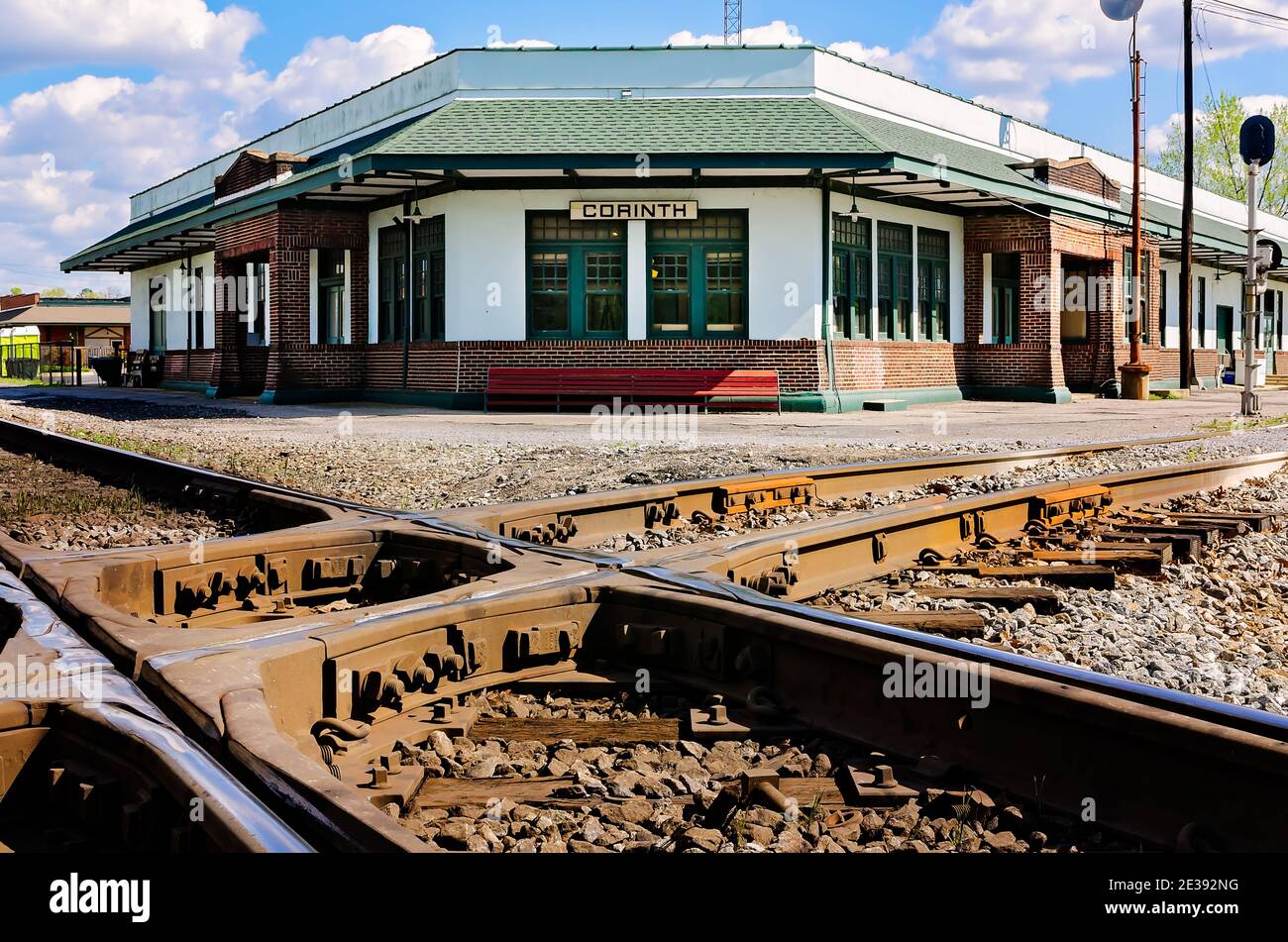
The Crossroads Museum, founded by Houston Mitchell and Hamilton Mask in 1854, in Corinth, Mississippi, was once billed as the Crossroads of the South because of the importance the city’s railroads played during the Civil War.
Those two rail lines which crossed over each other at city center, made Corinth one of the most strategic transportation hubs fought over by both the Union and Confederate armies.
Today the Crossroads Museum and Historic Corinth Depot sits only a few feet from railroad tracks that remain busy with frequent traffic from freight trains. In the front courtyard sits a Civil War canon used during the Battle of Shiloh. Exhibits In addition to railroad and Civil War history, the museum is home to thousands of artifacts detailing the city’s rich history in both cultural and industrial pursuits. Exhibits pay homage to aviation pioneer Roscoe Turner, baseball star Don Blasingame, NFL great Jackie Simpson, a Rotary Club’s impact on the community and a Southern delicacy known as the hot tamale.
This year check out our “Green Market Days.” Voted Best Small Event by the Mississippi Tourism Association! The Green Market (free to the public) hosts an eclectic mix of local and regional artists, farmers, gardeners, and craftsmen who sell their hand crafted and home-made goods in an open-air, grassroots setting. Grab a snack at one of the food trucks and check out the local entertainment. As the banner fundraiser for the non-profit Crossroads Museum, there's something for everyone to enjoy! Our goal is to encourage folks to buy local and provide a place for everyone to gather and share ideas. https://www.corinthgreenmarket.net/
The Green Market 2025 dates are: Saturday June 7th, Saturday September 6th, Saturday October 4th, Saturday November 1st, and Friday December 5th.
For more information on the Crossroads Museum and our Green Market events check out our website: https://www.crossroadsmuseum.com/
Crossroads Museum, 221 N. Fillmore St. Corinth, MS (662-287-3120)

The Auburn Cord Duesenberg Automobile Museum, in Auburn, IN offers over 120 cars on exhibit on three levels! The museum dates back to the early 1900's!
With various automotive themed galleries, we allow the visitor to experience everything from classic cars (as defined by the Classic Car Club of America), to Indiana built cars, to racing and engineering themed exhibits and the original Auburn Automobile Company showroom and company offices.
There are seven main galleries displaying the museum’s automobile collection. , A MusuemsEach gallery reflects a different piece of the story the museum tells. In addition to these galleries, there are restored Auburn Automobile Company offices along with technology, art, and design exhibits. https://automobilemuseum.org/exhibits
For the museum has become a vital part of our culture! It inspires innovation and engages diverse audiences to create personal connections that spark passion and appreciation for how art, design, mechanics, technology, and engineering affect the world and our daily lives. We host many events and programs throuhout the year https://automobilemuseum.org/events/museum-programs and welcome you to host an event here as well!
The Auburn Cord Duesenberg Automobile Museum goal is to preserve the past and provide multigenerational audiences an educational and inspirational journey exploring the past, present, and future of the transportation industry while leveraging the Museum's collection as its foundation.
We hope you will come and experience our museum that has over 125 years of history since it’s inception! We look forward to welcoming you and please learn more about us online: https://automobilemuseum.org/ 260-925-1444
You know how sometimes the most fascinating places are hiding right under our noses? The Museum of Missouri Military History in Jefferson City, MO is exactly that kind of delightful surprise!
Tucked away on the grounds of the Missouri National Guard headquarters, this museum isn’t just another dusty collection of old uniforms behind glass. It’s a living, breathing time machine that tells the story of Missourians who’ve served in conflicts from the War of 1812 to modern-day deployments. And the best part? It’s one of those rare places where history feels personal, where you can almost hear the echoes of boots on battlefields and the whispers of soldiers’ letters home.
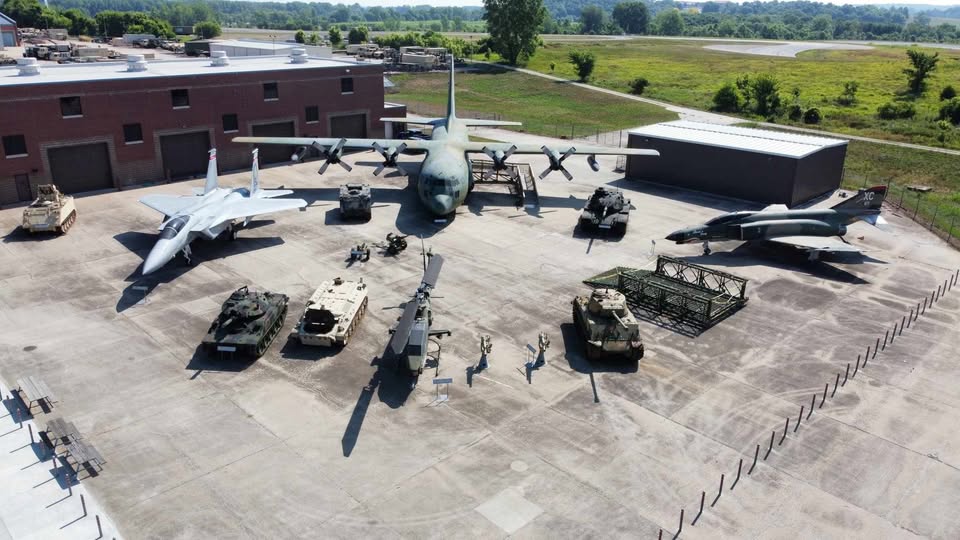
The Museum of Missouri Military History is dedicated to the preservation and exhibition of Missouri’s military history. Current exhibits include artifacts from the Revolutionary War to the present era. Items on exhibit outside include an F-15 Eagle fighter, F-4 Phantom II fighter, Sherman tank, Sheridan Tank, as well as a C-130 Hercules.
There’s something undeniably awe-inspiring about standing next to a Sherman tank – the real deal, not some replica – with its massive presence reminding you just how small we humans really are. The “Mighty Mo” Sherman tank sits proudly outside, its olive-green exterior weathered by time but still commanding respect. You can almost imagine it rumbling across European battlefields during World War II, carrying Missouri soldiers into the fight.
Civil War artillery also comes to life in this thoughtfully designed exhibit—those wooden wheels carried history across battlefields long before tanks existed!
As you move into more recent history, displays on Operations Desert Shield and Desert Storm show how warfare evolved in the late 20th century. What’s particularly interesting is how the museum connects these more recent conflicts to Missouri’s economy and industry.
So when you are vacationing this year in Missouri stop off in Jefferson City and visit the Museum of Missouri Military History, you will find it most insightful and interesting! Visit us online: https://www.facebook.com/MOMilitaryHistory# 573-638-9603.
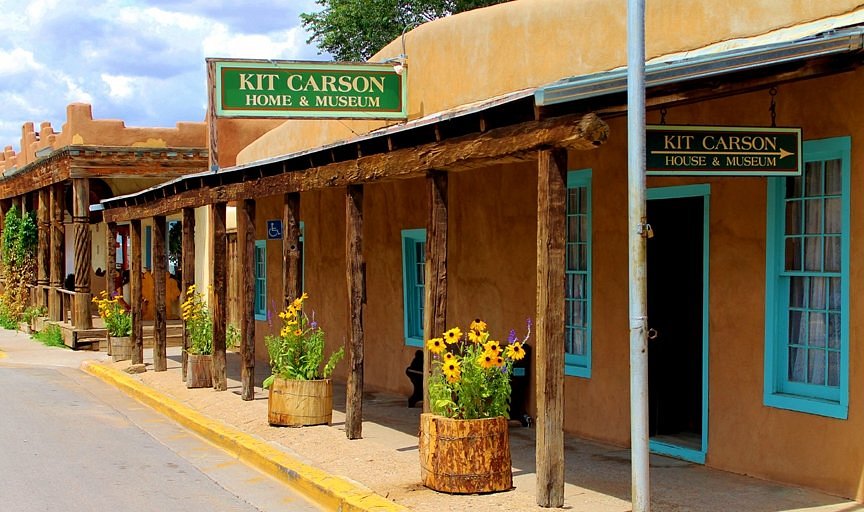
Kit Carson House, Dedicated to Preserving our History!
At The Carson House & Museum in Taos, New Mexico we are dedicated to preserving the early history of our region. The home is a National Historic Landmark as well as being listed on the New Mexico Cultural Properties Register. The non-profit is committed to preserving the site while developing a museum dedicated to the critical exploration of the complicated history and consequences of US Westward expansion into the Northern Rio Grande Valley.
Christoher “Kit” Carson was a figure of consequence in the history of the American West. He was a skilled guide and scout, Indian Agent for the Northern New Mexico Territory, Presidential courier, and U.S. Army Officer as well as a husband and father. Fluent in multiple languages he was especially effective communicating on the frontier. His life experience and choices offer us invaluable insights into 19th-century America and the US westward expansion. We are committed to sharing his story in context with broader perspectives and authenticity
Carson fought in three significant wars. Kit fought in the Mexican-American War with General Kearny's forces at the Battle of San Pasqual. Later as a Colonel he led the First New Mexico Volunteers against Confederate forces at the Civil War Battle of Valverde, New Mexico. He later fought in the Indian Wars and led campaigns against the Mescalero Apache and Navajo. Carson was brevetted Brigadier General by orders from President Abraham Lincoln. He was the only General in US Army history who could neither read nor write.
The structure celebrated its 200-year birthday in 2025. The site has recently been awarded a Save America's Treasures Grant from the National Park Service in the amount of $750K. The grant requires a 1:1 dollar match -please go to our website and click on Donate to be a part of the effort!
The Restoration Project will focus on the preservation and rehabilitation of the Carson Home and surrounding structures. The goal will be to restore the National Historic Landmark and develop a museum to accommodate historical exhibits, interpretative graphics, interactive multimedia features, and historical artifacts. https://www.kitcarsonhouse.org/restoration-efforts https://www.kitcarsonhouse.org/restoration-efforts
We look forward to welcoming you to the Kit Carson House Museum in Taos, NM and exploring the deep history and exploration of our Native People and the impact Kit Carson had! https://www.kitcarsonhouse.org/

The French Lick West Baden Museum, was established in 2007 for French Lick's 150th birthday!
The museum began retelling the stories of our incredible towns as a pop-up museum. In 2011, we returned and in 2014 our current location was placed in the beautifully restored Dickason Building in downtown French Lick. Today, we continue to tell the incredible histories of our towns through impressive exhibits, interactive experiences, and first-person stories. We also, have a wonderful Gift Shop featuring old fashion candy and toys for you to visit!
We feature two exhibits:
The CASINO EXHIBIT- We were Vegas before there was a Vegas… despite the fact that gambling in Indiana was illegal. The Springs Valley boasted several documented casinos from the 1860's until 1949 when the state stopped looking the other way. You’ll see relics from those old casinos and learn about some of the characters who ran them.
The CROSS EXHIBIT- Local artists Henry and Ferdinand Cross made and sold their work out of a place known as Cross Cave. Henry was a painter and Ferdinand was a stone carver. The Cross Brothers moved to southern Indiana in the mid-1800's and would gain national acclaim. We have a display of Henry’s magnificent paintings and Ferdinand's spectacular Cross columns and fireplace; vivid examples of what Ferdinand could do with a chunk of raw limestone, working in a cave.
And of course, you can’t come to French Lick and not know about LARRY BIRD!
One of the greatest to play the game and is a home town boy. Larry Bird, "The Hick From French Lick", starred at Indiana State University before joining the NBA's Boston Celtics in 1979. Over the course of his 13-year Hall of Fame career, the sharpshooting forward led the Celtics to three NBA titles and claimed three MVP awards. Visit us and discover how he got started.
Come see our recent exhibit for limited time - When Governors Met in the Valley. Stories and artifacts from 1923 West Baden Springs Hotel, 1931 and 1971 French Lick Springs Hotel Governors Conventions.
We also are the Home of The World's Largest Circus Diorama!
So, we look forward to your visit, and to stepping back into history with us! https://www.flwbmuseum.com/

At the Richard I. Bong Museum, experience “Marge,” our beautifully restored P-38 Lightning, stand beside our M60 tank, and enjoy the scenic hiking trail just beyond our grounds. Step into history and immerse yourself in powerful, firsthand accounts from veterans spanning World War II to today.
The Real Top Gun- Born in Superior, Wisconsin, Dick Bong rose to national prominence as America’s greatest fighter ace. During World War II, he shot down 40 enemy aircraft in the Pacific Theater, securing his place in history. Discover the life, courage, and legacy of this remarkable young man.
Plan Your Visit- Join us for guided or self-guided tours and connect with the history that shaped our world. Walk with heroes—visit today. More than a museum, we are a living tribute to those who served, both on the front lines and the home front. Meet our volunteers, hear their stories, and leave inspired.
We host a variety of veteran-focused programs throughout the year, including a Boundary Waters retreat, the service of over 300 Thanksgiving meals annually, and commemorative events for major military holidays. Our outreach extends into the community through veteran-led presentations and demonstrations at schools and organizations. Our educational programs welcome students from across northern Wisconsin and Minnesota, offering hands-on learning through authentic artifacts and direct engagement with veteran experiences. When schools can’t come to us, we bring history to them.
Beyond our local impact, we are committed to a global mission. Mission Marge, launched in 2024, began as an effort to locate Dick Bong’s P-38, “Marge,” which crashed in Papua New Guinea. Since discovering the site, we have worked to honor its historical significance while expanding humanitarian efforts in nearby communities. We look forward to welcoming you any time of the year! https://bongcenter.org/
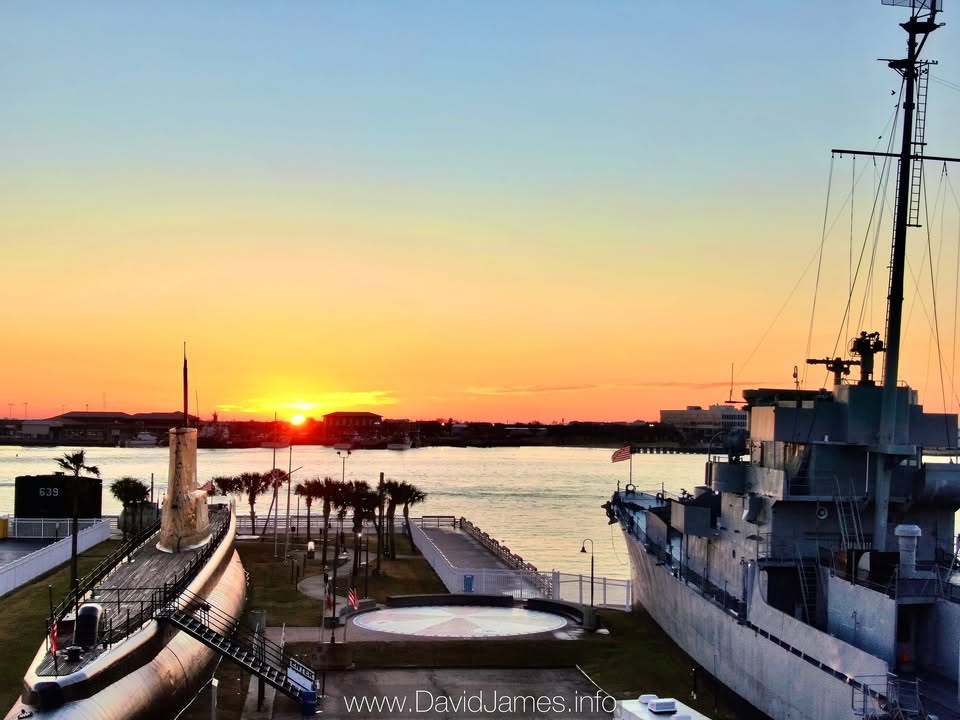
Since 1999, the Cavalla Historical Foundation assumed oversight of the Galveston Naval Museum and its mission to restore, maintain and operate USS Cavalla, USS Stewart, the sail of the USS Tautog (SSN-639) and the conning tower of the USS Carp (SS-338).
The Galveston Naval Museum, rich in history houses a captivating artifact collection, featuring restored vessels, vintage products and machinery, and weaponry. Each item tells a story of naval history, taking visitors on a journey through time, honoring bravery and ingenuity of sailors.
Step into the annals of history at the Galveston Naval Museum. Nestled in the heart of this vibrant coastal city, our historic venue offers a unique and captivating setting for your special event as well. Hosting your gathering amidst the backdrop of beautifully preserved naval vessels pays tribute to the historical sacrifices that allow us to be here today. The sea breeze and stunning views further enhance the ambiance, reminding us of the resilience and dedication that have shaped our world. Whether it's a corporate function, a special celebration, or a memorable gathering, our team is dedicated to ensuring your event is truly exceptional. Join us at the Galveston Naval Museum, where history comes alive, providing the perfect backdrop for timeless memories.
We also offer sleep overs! Sleep in the same quarters where sailors bunked 75 years ago aboard the USS Stewart. Come take an exclusive private tour and learn the science of ships, the importance of preservation and the heritage of our nation’s military. Complete your assigned mission and become an honorary ensign.
The Museum is COMMEMORATING 100 YEARS OF HONORING VETERANS! In 1919, President Wilson marked the first celebration of Armistice Day, making it a National Holiday. Honor your favorite Veteran this year by making a $25 donation in their name by clicking the button below. The Veteran's name will appear on our Veteran Honor Roll. https://www.galvestonnavalmuseum.com/veterans
So, when you’re in Galveston or in the area check us out and all we have to offer our patrons – “From harm’s way to historic” you don’t want to miss the history we display in our museum! We're open every day from 9am - 6pm: (409) 770-3196 https://www.galvestonnavalmuseum.com/
Museum Address: 100 Seawolf Parkway, Galveston, Texas
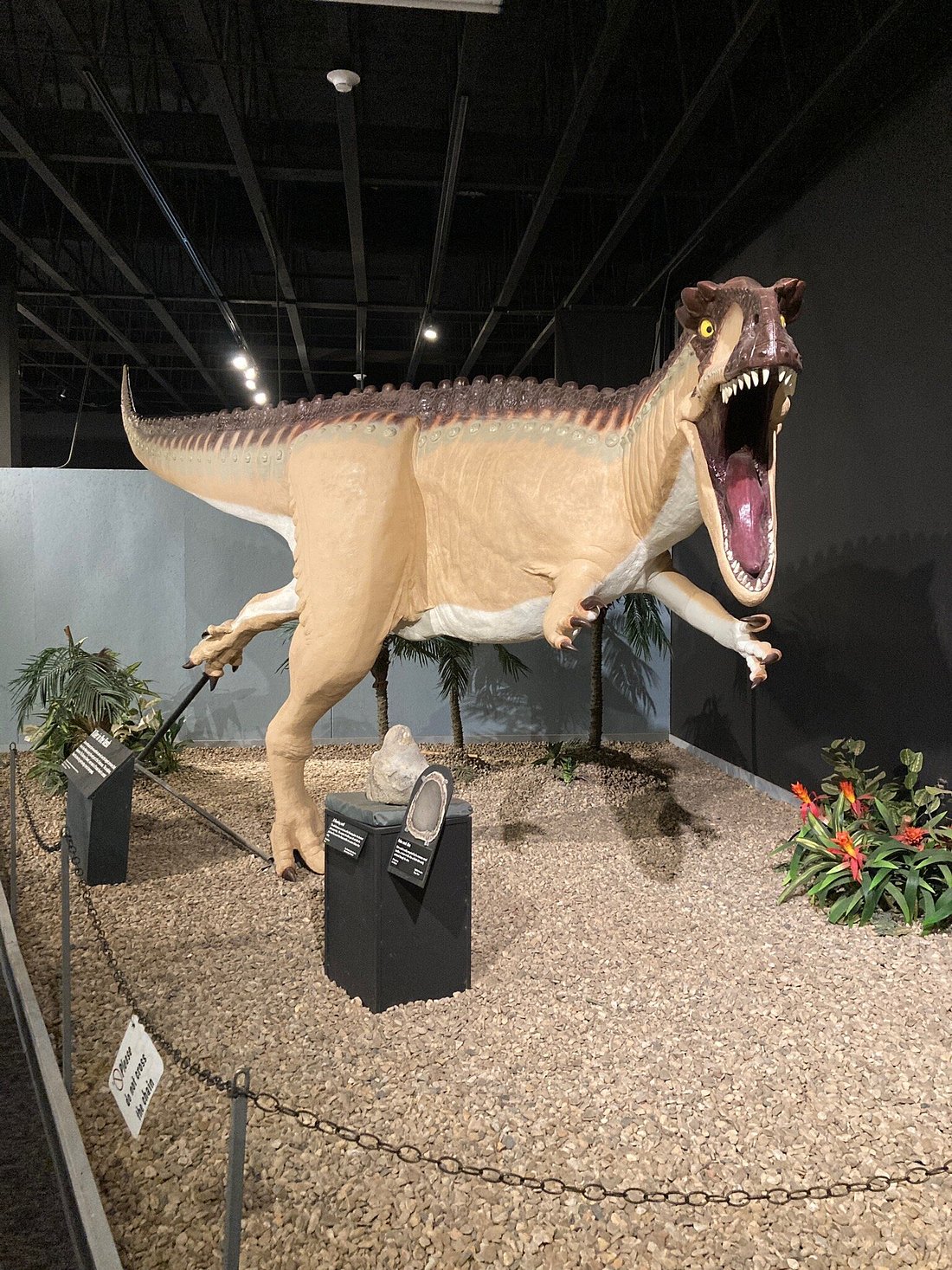
Mesalands Community College’s Dinosaur Museum and Natural Sciences Laboratory opened to the public in May of 2000.
The Museum receives approximately 5,000 visitors each year and our guests represent all 50 states and over 40 foreign countries. Guests to the Museum return year after year to see the changes, improvements, and new exhibits that our staff is continually planning and completing.
The Exhibit Hall at the Mesalands Community College’s Dinosaur Museum houses a host of replicated and original fossils from tiny footprint casts to the 40′ long skeleton Torvosaurus, a rare carnivore relative of Tyrannosaurus rex which hails from the Jurassic period.
The Museum’s focus is on the Mesozoic period, which is also known as ‘The Age of Dinosaurs.’ The Mesozoic is comprised of the Triassic, Jurassic and Cretaceous periods. The museum cultivates specimens from exclusive local dig sites. Guests are able to view Paleontology students and the curator preserve specimens through a viewing window located in the exhibit hall. Witness history as it’s uncovered and assembled in the laboratory.
The museum also boasts an impressive collection of minerals from all over the world. These are displayed in the exhibit hall and sold in the gift shop.
We welcome you to learn more about our Dinosaur Museum and Mesalands Community College, by clicking our website! https://www.mesalands.edu/community/dinosaur-museum/
Mesalands Community College’s Dinosaur Museum222 East Laughlin Street - Tucumcari, NM - (575) 461-6627
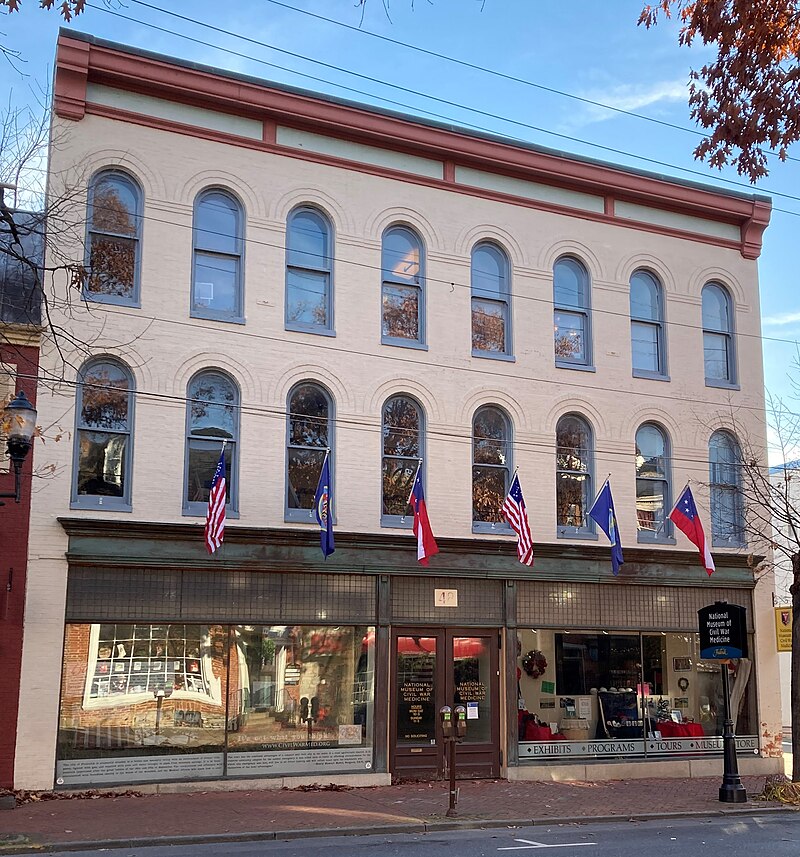
The National Museum of Civil War Medicine, located in the heart of historic downtown Frederick, Maryland, is just one of three different museums operated under the same umbrella.
In Frederick at the main Museum, visitors will learn how the innovation of Civil War medicine impacts the present day. The Clara Barton Missing Soldiers Office Museum, located in Northwest Washington, DC, is the wartime home of Clara Barton. From her boardinghouse, she brought medical supplies to the front lines during the Civil War and led the search for missing soldiers after the conflict. The Pry House Field Hospital Museum is located on Antietam National Battlefield. Visitors to the Pry House can see an original Civil War field hospital, the civilian impact of Civil War battles, and the site of one of America’s medical turning points.
Explore downtown Frederick’s storied past with our signature walking tours. Every Saturday and Sunday from April – September, walking tours of Frederick’s hospital sites will be available at 10:30 a.m. on Saturdays and 2:00 p.m. on Sundays. Walking tours last for an hour to an hour and a half. With accounts taken from the diaries and letters of the surgeons, soldiers, and civilians who were there, this guided walking tour will explore the locations of the city’s Civil War hospitals in churches, schools, and public buildings. This program is an excellent way to take in downtown Frederick as many of those same buildings still make up the historic district today.
Throughout the American Civil War, Frederick, Md., played a vital role for both Union and Confederate armies. Soldiers marched beneath the “Clustered Spires” on their way to battles at Antietam, Gettysburg, and Monocacy. The “One Vast Hospital” tour focuses on the wreckage left behind.
At any given time, the National Museum of Civil War Medicine can display a small fraction of the 5,000+ artifacts in our collection. The “Artifacts Revealed” series highlights objects from the collection that are rarely on display. Beyond offering a special glimpse of our artifacts, the videos offer a snapshot of the exciting, interesting, and unusual stories we tell at the museum. For example, most people never consider that brain surgery was even attempted during the Civil War, but the video focused on the trephine changes that perception in a little more than one minute. Changing perceptions, whether in the museum or online, can easily lead them to further discoveries about how Civil War medicine changed the world.
We encourage you to visit our museum and see our collection, that in ways would have been unimaginable only a few years ago. The museum has been tasked with stewardship of these priceless artifacts and we utilize them to tell the story of medical care in our nation’s bloodiest conflict. “Artifacts Revealed” represent our latest, evolving efforts to tell an important national story through digital means and encourage visitors to trek to the “Crossroads of War” – Frederick, Maryland.
We look forward to seeing you this year – check us out online for more information: https://www.civilwarmed.org/