Museum Guide News
Museum Guide News

The people of Philadelphia and the Greater Delaware Valley region have played very important roles in the development of the Navy over the past two and a half centuries, building some of the Navy’s most iconic and historic vessels.
Early shipbuilding in Philadelphia, including the United States and the Constitution, was done along the waterfront at shipyards owned by Pennsylvania Quaker Joshua Humphreys. A formal navy yard in Philadelphia was created at Southwark in 1800 before moving to a bigger plot of land at its current location on League Island in the 1870s. For the next ninety years, the yard served as one of the Navy’s primary shipbuilding and repair facilities.
Over the course of two centuries, important Naval vessels were designed, built, and launched in Philadelphia and the surrounding areas, from the Swedish-American engineer John Ericsson’s USS Princeton in 1843, to the USS Michigan in 1904, to the USS Francis Robinson during World War II.
Though the Philadelphia Naval Yard ended most of its activities at the shipyard in the 1990s, the legacy left by the vessels produced there and at other local shipyards looms large in US naval history, especially at this 250th anniversary of the United States Navy.
In partnership with the American Swedish Historical Museum, the National Museum of the United States Navy (NMUSN) is proud to present, And Let Victory Tell the Rest: 250 Years of Shipbuilding in Greater Philadelphia, opening June 26th at ASHM. The exhibit will include artifacts from USS New Ironsides, USS Michigan, a model of the John Ericsson- designed USS Passaic, among others.
Visit -https://www.americanswedish.org/exhibitions/and-let-victory-tell-rest-250-years-shipbuilding-greater-philadelphia to learn more about the exhibit and its related events.
And Let Victory Tell the Rest is part of Homecoming250, citywide celebration of this historic anniversary in Philadelphia. https://www.homecoming250.org/
US Navy Shipbuilding in Philadelphia, was written by Gordon Calhoun, Historian & Curator, National Museum of the United States Navy and Edited by the American Swedish Historical Museum.


The AACA Museum, Inc. is America’s Transportation Experience! We’re dedicated to the preservation and presentation of the motor vehicle history in a way that provides for the education and entertainment for our guests.
The museum delivers a world-class automotive experience through innovative and interactive exhibits that appeal to all ages and illustrate the historical evolution and potential future impacts of one of the most culturally defining innovations of modern times – the automobile.
The idea of presenting an automobile collector’s museum in Hershey, PA, originated with a committed group of automobile hobbyists. As their determination to move the project forward grew, their enthusiasm gained support throughout the region. In 1993, the AACA Museum, Inc. was incorporated as a Pennsylvania nonprofit educational institution! The new vision focused on presenting America’s intriguing automotive heritage to the public. The museum launched a $12 million capital campaign dedicated to building a world-class museum.
The vision of a world-class automotive heritage museum in Hershey became a reality. The 71,000-square-foot museum, officially named the AACA Museum, Inc., opened on June 26, 2003. Offering noteworthy exhibits and an ever-growing permanent collection, the museum welcomes guests of all ages to enjoy the wonders of invention, interactive educational displays, famous and one-of-a-kind vehicles, and family fun.
Today the AACA Museum at Hershey displays vintage automobiles in unique settings. Visitors can stroll through eight decades in time while traveling from New York to San Francisco. It’s a trip down “memory lane” as iconic settings reveal vehicles from generations of American motoring. The museum sponsors workshops and activities designed to raise public awareness and appreciation of the role that the automobile has played in shaping 20th century America. *Plaese check out our new exhibits which are always changing: https://www.aacamuseum.org/exhibits-experiences/#current_exhibit
AACA Museum embraces the role of the collector in preserving automotive heritage. It is unique in that all the cars on display have been donated or offered for display by car experts and enthusiasts!
The AACA Museum at Hershey ranks among the top automotive museums in the world and has been recognized by the Smithsonian as an Affiliate Museum. The museum is home to the Cammack Tucker Collection, the world’s most extensive collection of Tucker automobiles and memorabilia. AACA Museum also houses the Museum of Bus Transportation Collection.
When traveling through Pennsylvania, make a point to stop and visit the AACA Museum and take a trip back in automobile and transportation history! https://www.aacamuseum.org/
The humboldt bay maritime museum was founded in 1977. William Zerlang, a long time collector of marine artifact, and a group of colleagues sought to establish a local museum to preserve the rich maritime heritage of the entire humboldt bay region. Today the museum serves members, visitors and researchers throughout the nation.
The Mission - The museum seeks to identify, collect, preserve and interpret artifacts, photographs, library archives and materials relating principally to the maritime history of california's north coast. we also strive to promote, educate, and assist the public in understanding and appreciating maritime heritage and local culture
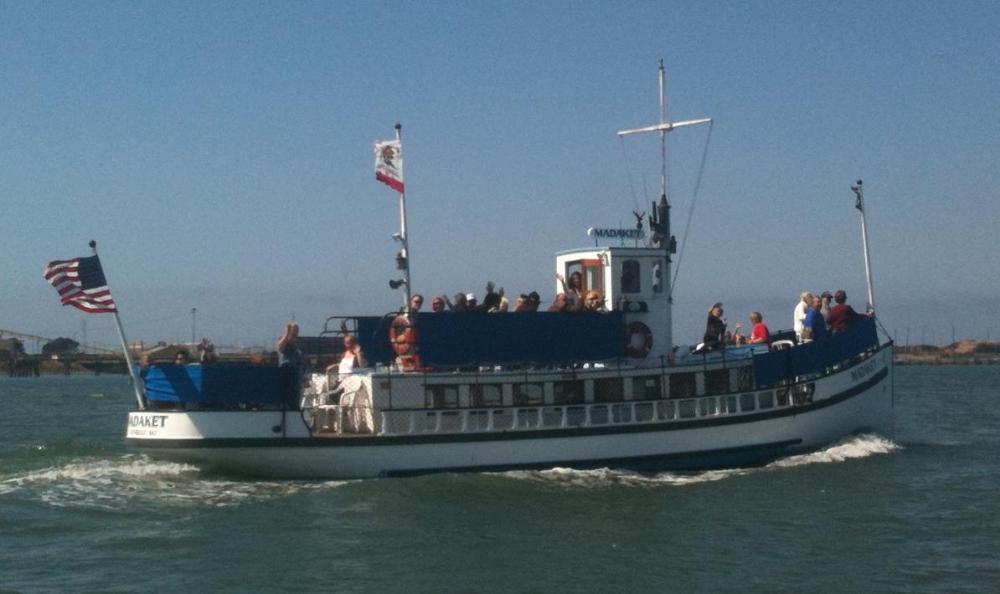
Special Collections - With over 20,000 digitally scanned photographs, art and other paper mediums, artifacts donated and collected over a period of decades, including, but not limited to shipwreck artifacts, 4th order fresnel lens and small skiffs. the museum owns two Floating vessels. the 1910 motor vessel madaket, which has been lovingly restored and is coast guard certified to carry passengers. The second is the 1917 fishing vessel stephanie which is undergoing restoration. From shipwrecks to shipbuilding to lighthouses to ferry launches to first explorers to ship models, the museum has something for everyone!
After visiting the museum take a 75-Minute Narrated Cruise! Step Aboard! Learn the history of Humboldt Bay during an 8.5-mile cruise along the shores of the bay while the captain explains local history, industries, activities, points of interest and wildlife. Seals are sure to be seen along with migratory birds, the Fishermen's Statue and the iconic Carson Mansion. https://humboldtbaymaritimemuseum.com/madaket-cruises.html. So come visit us soon when in California and learn about the historic Humboldt Bay in Samoa, CA. MUSEUM HOURS: Wednesday - Sunday 9:00 am to 4:00 pm. https://humboldtbaymaritimemuseum.com/index.html
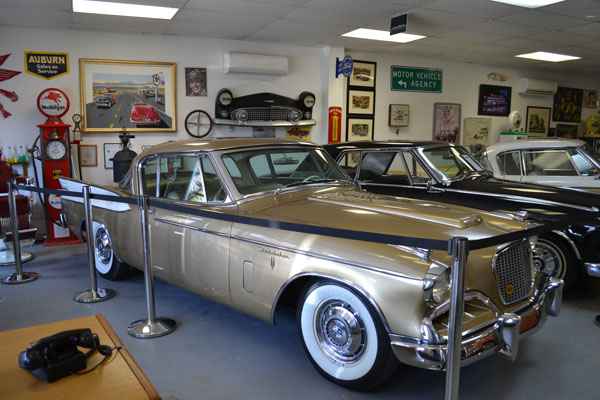
The Vintage Automobile Museum of New Jersey was incorporated in 2000. At first, it consisted of a group of passionate collectors who liked to talk cars. Although they didn't yet have a building, they knew they wanted to share their love of automotive history with the community and to recognize automobiles' monumental impact on the world.
Today, The Vintage Automobile Museum of New Jersey's primary goal is to provide an educational and entertaining family attraction that preserves, shares, and takes pride in the automotive heritage that truly shaped the growth of our state, our country, and indeed the entire world. We are proud to serve New Jersey as the state's only public car museum. Admission is always free because we believe that everyone should be able to share in the joy of cars.
In 2013, thanks to the community's support and a lot of hard work, we were able to secure a building in Point Pleasant, NJ, where we could finally provide a permanent location that anyone could visit.
The Museum is staffed by volunteers from all throughout Ocean and Monmouth Counties, NJ. We love cars as much as you do, and we are thrilled to be able to enjoy them together with you! For more info about volunteer opportunities with the museum, please see the membership page.
The museum has housed countless vehicles over the years, ranging from the groundbreaking Model Ts of the early 20th century to the muscle cars of the '60s and '70s. Vehicle owners include the museum organization, the museum's trustees, donors, and local car clubs. To view all of our cars in the museum check out our gallery: https://vamnj.org/gallery/
Different vehicles are brought in every 2-3 months, allowing you to learn about all eras of automotive history. Sometimes, there will be special exhibitions that disrupt the regularly scheduled rotation of vehicles. For example, we might randomly host an all-British car display for a month. Visit often to see all the amazing vehicles the museum has to offer!
We are located a short drive from the Garden State Parkway, near Route 35. Our museum is wheelchair-accessible, and we are committed to ensuring all visitors have a comfortable experience. Please let us know if you have any special needs or require additional accommodations.
Museum hosts are experienced volunteers, so feel free to ask questions while you're here! We recommend calling ahead, as the museum may be closed during inclement weather or when a host is unavailable. We look forward to seeing you! 732-899-0012. https://vamnj.org/visit/
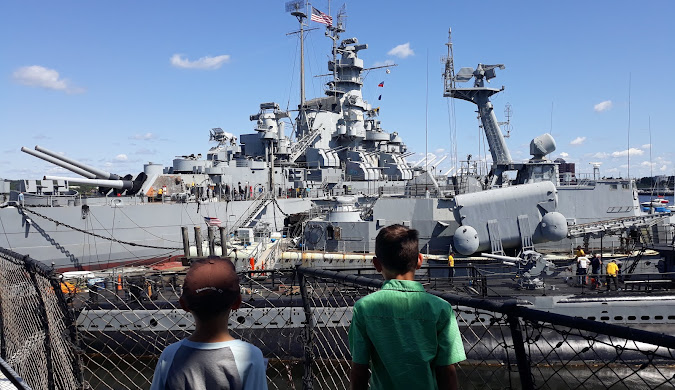
Battleship Cove has been providing the preservation of both the military heritage of the New England region and that of the United States since 1965. A non-profit memorial and museum located in Fall River, Massachusetts, veterans, families, schools, Scouts, and interested visitors from around the world have walked the decks of these historic vessels and viewed the legendary aircraft on display.
With Five National Historic Landmark US Naval ships and other craft, Battleship Cove is America's Fleet Museum. You will experience firsthand what it was like to serve on board a Navy warship in WWII and the Vietnam War era.
Beyond the history of these vessels is courage, honor, and patriotism that we invite you to learn more about as you explore how our military personnel served our nation! While America's Fleet Museum has been known for decades for our historic naval ships, our fleet of aircraft are both iconic and prominent in American aviation. Centered on helicopters, our collection includes two Vietnam War combat veterans and two of the first drone unmanned aerial vehicles used by the military!
Battleship Cove presents and maintains a diverse number of exhibits to complement our ships, aircraft, and mission. We are always expanding and updating these displays to enhance our educational outreach and to provide the visitor with a fun learning experience. Some of our exhibit highlights include: National PT Boat Museum, As home to the National PT Boat Museum, Battleship Cove displays the world's largest collection of PT boat artifacts and memorabilia. Admiral Arleigh Burke National Destroyer Museum: USS Joseph P. Kennedy, Jr. is home to the Admiral Arleigh Burke National Destroyer Museum. Here's a link to more exhibits and inforamtion: https://www.battleshipcove.org/exhibits
We also have a number of events coming up this year – for a full calendar click here: https://www.battleshipcove.org/events. You also have an opportunity to schedule event with us too!
We invite you to learn more about these aircrafts, ships and experience them in person! The Battle Ship Museum is a unique destinatiin for all ages and famililes. We look forward to seeing this year! https://www.battleshipcove.org/

Top five reasons to visit the EAA Aviation Museum™ in Oshkosh, WI!
Walk through aviation’s history. The restoration, preservation, and operation of vintage aircraft have been part of EAA since the very beginning. Discover airplanes used in aviation’s early days, including a tribute to the Wright brothers. Get close to classic aircraft and antique artifacts.
Explore military aviation. The Eagle Hangar is a massive hall of aircraft and artifacts dedicated to the memory of those who served in World War II, Korea, and Vietnam. The airplanes include examples of Allied fighters and bombers, Army, Navy, and Air Force aircraft, and more.
Discover aviation’s innovators. The Innovations Gallery highlights the airplanes and their pilots who have broken dozens of world records. See Loving’s Love, an air racer that was designed and built by WWII veteran and double amputee Neal V. Loving. Get close to the full-size animated replica of SpaceShipOne, an experimental, private spacecraft that made three successful spaceflights.
Observe the beauty of flight. Aviation is made up of more than airplanes and pilots. Photographers and artists have been part of the world of aviation from the beginning. Throughout the museum, there are historic photographs and works of art!
Have fun with the whole family. Bring out your inner child in the Kid Venture Gallery, where you can enjoy a variety of interactive activities and exhibits. The centerpiece of this area is the Raptor Gallery, which focuses on some of the remarkable features of the world’s most advanced aircraft, the F-22 Raptor, and offers the opportunity to climb into the cockpit of our half-scale mockup!
We look forward to welcoming you soon! EAA Aviation Museum is located at, 3000 Poberezny Rd., Oshkosh, WI - https://www.eaa.org/eaa-museum
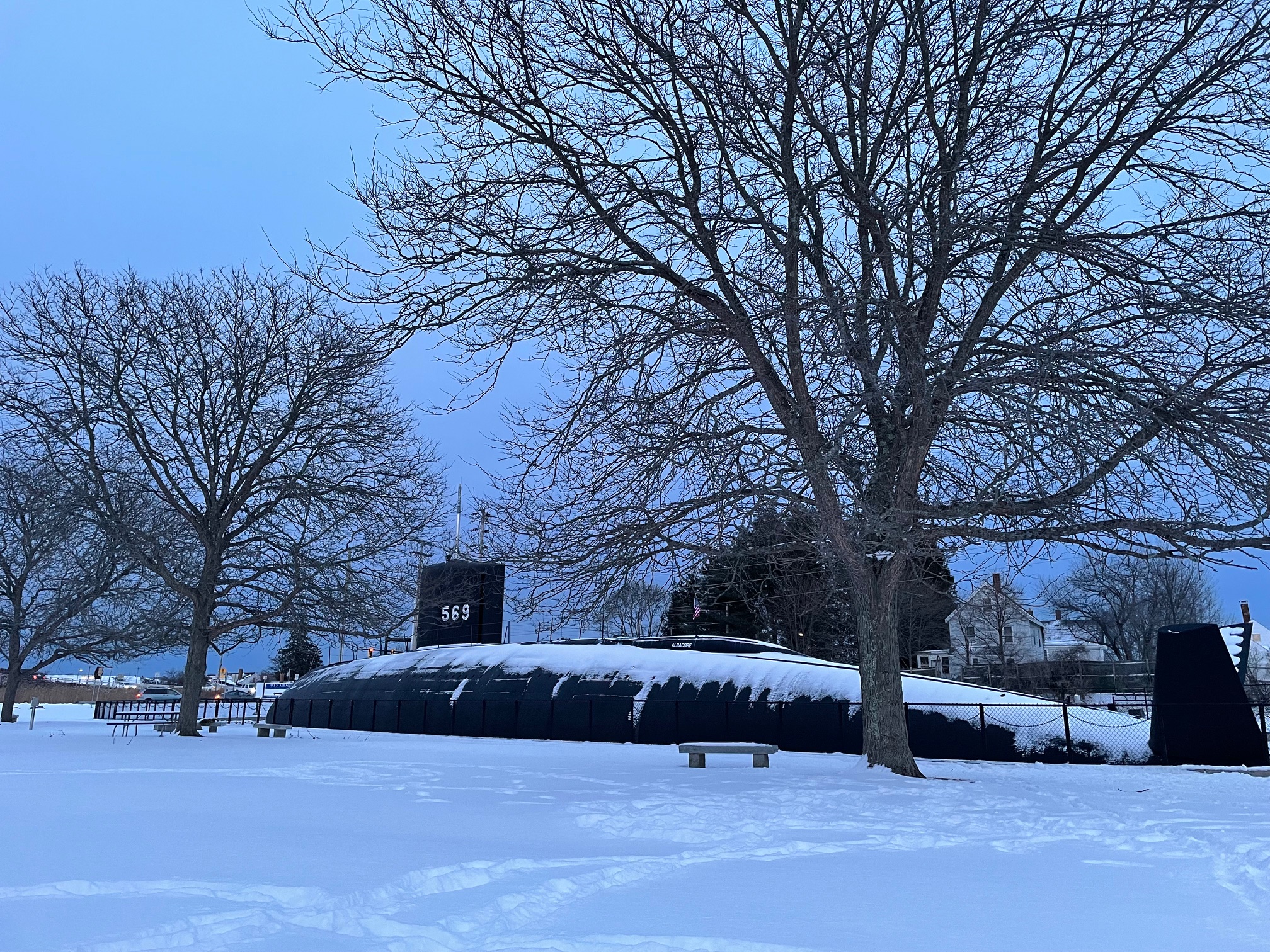
Spring is just around the corner and Albacore Park, in Portsmouth, New Hampshire, has officially reopened its doors for the 2025 season!
Visitors from all around the world are able to take self-guided tours through the USS Albacore, a former Navy submarine built in 1953, decommissioned in 1972, and designated a National Historic Landmark in 1986. Their newly remodeled gift shop is also now open, and a brand new maritime museum gallery will be making its debut, complete with a grand opening reception, on April 11th. Admission for the submarine tour is: $8.00 for children between 2-12; $14.00 for teens and adults; $10.00 for seniors, retired military and veterans; and free for all active duty military members. Please note that their new entrance is around the back.
Group rates are also available, or take advantage of their new Membership program. Show your support for Albacore Park while receiving a fun array of benefits. Whether you’re seeking membership for yourself, your family, or your organization, their variety of levels offers something for everyone. Visit their newly designed website for more info on how to join, or you may sign up in person when you next visit.
Albacore Park is currently open 7 days a week from 9:30am to 4:30pm, weather permitting. Hours will be extended in the summer. For further information about upcoming events, site rentals, sponsorship opportunities and more, please visit their website at: https://www.ussalbacore.org/
Come discover charm and history at the Northwest Carriage Museum!
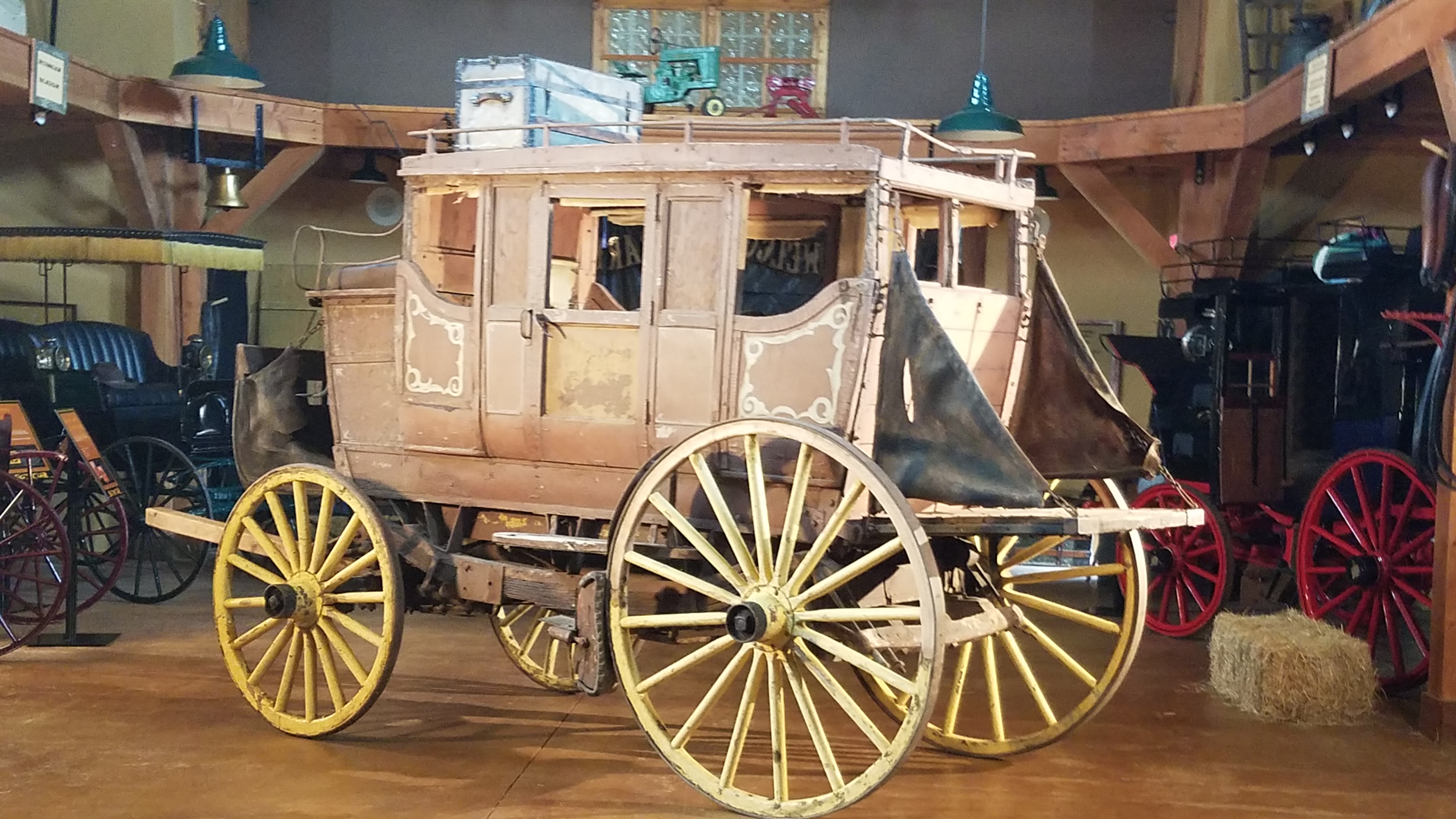
Home to an extraordinary collection of 19th-century horse-drawn vehicles and artifacts, the Museum is proud to be keeping history alive! With 64 vehicles and thousands of artifacts, visitors are amazed by the collection situated in the small town of Raymond, Washington. It’s no surprise that the Northwest Carriage Museum has become a premier destination for travelers exploring the PNW. Historical and educational, it's a great place for the whole family! Our interactive exhibits are fun for folks of all ages! We also have a unique gift shop, with a variety of books, old-fashioned toys, jewelry, and more!
Since our doors opened in 2002, the museum has flourished, expanding from 21 vehicles to an impressive 64. The collection features luxury carriages, wagons, sleighs, hearses, a stagecoach, and a chuckwagon! Some of these stunning vehicles have appeared in timeless movie classics like “Gone with the Wind” and “The Little Princess.” As you explore, you’ll encounter thousands of artifacts, including vintage clothing, antique saddles, steamer trunks, chime bells, and carriage makers' tools. Year after year, the Northwest Carriage Museum attracts thousands of visitors, establishing itself as Pacific County’s top year-round tourist attraction. We invite you to “Come Get Carried Away” and experience the craftsmanship and artistry of a bygone era!
The Museum is located at the junction of Hwy 101 and State Route 6 in Raymond, WA. Outside our doors is the pristine Willapa River and a beautiful park, perfect for a picnic. Within walking distance, you’ll find shops and restaurants. Call 360-942-4150 for questions and/or to schedule a tour for 6 or more people. Follow us on social media and check out https://www.nwcarriagemuseum.org/ !
The museum is open daily from 10 to 4 pm, and offers special admission for seniors, veterans, AAA members.

The Wisconsin National Guard Museum is dedicated to the history and heritage of the men and women of the Wisconsin National Guard.
The Museum is affectionately known as "The Log Cabin". It was built in 1971 as an Officer's Club and was used for that purpose until 1983. It now houses historical exhibits portraying the history of the Wisconsin Army, the Air National Guard, and the famed 32nd "Red Arrow" Division. It is the oldest building on base.
How to access the museum: We are located on the military base at Volk Field/Camp Williams. Because of this there are a few simple requirements for civilians who wish to visit: Everyone over the age of 18 must have a valid picture ID. Your vehicle will be searched to ensure the security and safety of the facility. No firearms or ammunition are allowed on base. Military or individuals with retiree cards are exempt from vehicle searches.
Volk Field is located just north of I-90/94. Just pull up to the main gate (please use the far-left lane) and say you wish to visit the museum. From there security will give you directions to the museum.
Our hours are: Wednesday - Saturday 9AM - 4PM and Sunday 10AM -2PM. We are closed in most federal holidays.
Check us online: https://www.volkfield.ang.af.mil/Museum/ https://www.facebook.com/WNGMUSEUM/

Two hundred years after his birth, the life and legacy of Abraham Lincoln continues to fascinate and inspire. Born into poverty on the edge of an untamed frontier, his rise from obscurity to greatness has become a symbol of the universal hope that we can all improve our circumstances in life.
In 1932 The History of the Lincoln Memorial Shrine in Redlands, CA began! It was gifted by Robert and Alma Watchorn. The Lincoln Memorial Shrine was originally designed in an octagon shape by noted Southern California architect Elmer Grey. The construction of reinforced concrete was faced with Bedford Indiana limestone plates upon which are inscribed excerpts from Lincoln’s speeches.
Today you can come see the newest exhibition, “Imitative Lincoln: Art Derived from Photographs.” Focusing on the ways artists have recreated Lincoln’s likeness from the photographs he sat for in his life, the exhibit will include a wide range of artistic techniques, from 19th century engravings to modern day mosaics, demonstrating how Lincoln has inspired artists over time.
There is a Civil War photo album donated by a local family a few years ago that came with an interesting story. Featuring more than two dozen men of the 21st Connecticut Infantry regiment, the album was created by the regiment’s Captain E. Perry Packer. Captain Packer and his family moved to Santa Monica, California in the 1870s and assumed new identities. Why did they make such a drastic move? Who were the men included in the photo album?Come visit us and find out!
Are you on the calendar committee for your group or organization? Do you need a history outing for your school group? Book your tour at the Lincoln Memorial Shrine! The Shrine offers guided tours for groups of 12 or more adults or school aged children, Tuesdays – Saturdays from 9:30am to Noon (parents and chaperones excluded from total for school tours). Come visit us soon! https://www.lincolnshrine.org/